
Polished Lime Finishes With Controlled Sheen
Venetian Plaster in Dallas for walls that need multi-layer burnished depth and sheen variation without synthetic gloss
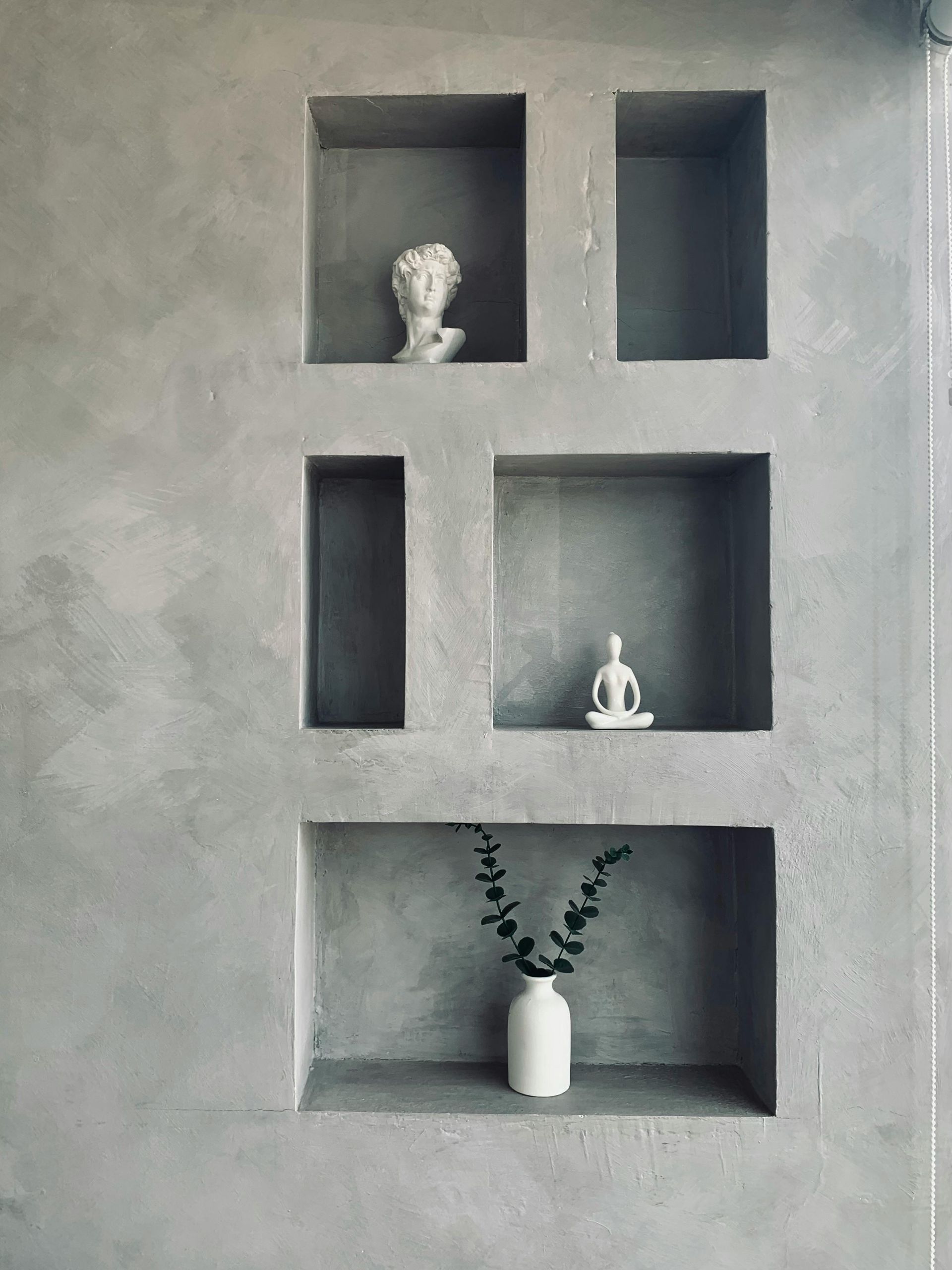
Prestige Designer Surfaces applies authentic Venetian plaster in Dallas–Fort Worth when you want a troweled lime finish that develops depth through layering and compression. This finish is made from slaked lime putty and finely ground marble dust, built up in thin coats and burnished with steel trowels to create a polished surface that mimics natural stone. Venetian plaster is specified for fireplace surrounds, bathroom feature walls, powder rooms, and high-end interiors where the goal is material richness and subtle light reflection.
The process involves multiple trowel applications with time between layers for partial curing, then final compression and polishing to develop sheen. Dallas projects often use Venetian plaster in spaces where Roman Clay would read too flat and limewash would lack formality. You will see tonal variation and depth that changes with viewing angle and light direction, which is the result of how the lime and marble particles are compressed and oriented during troweling.
If you are designing or renovating a space in the Dallas area that calls for a burnished lime finish, reach out to discuss substrate preparation and sheen level options.
How Venetian Plaster Is Layered and Burnished
You begin with Level 5 drywall or a properly prepared masonry substrate that is smooth, clean, and free of sealers. A mineral primer is applied to ensure even suction and prevent the lime from drying too fast. The plaster is then troweled on in three to five thin layers, each one applied with overlapping strokes that compress the material and remove air pockets. Between coats, the surface is lightly sanded to remove high spots and ensure a smooth base for the next layer.
After the final coat is applied, your walls are burnished with a clean steel trowel held at a low angle and pressed firmly across the surface. This compresses the lime and marble particles, aligns them, and creates sheen through friction and pressure. Prestige Designer Surfaces varies the burnishing pressure and direction to control how much sheen develops and where it appears, so the finish can range from satin to high gloss depending on the design intent.
The finish is dense and durable once cured, but it is not waterproof. In wet areas like showers or backsplashes, a breathable sealer is applied to add water resistance without yellowing or creating a plastic film. The sealer will need periodic reapplication depending on exposure and cleaning products used.
What You Need to Know Before Installation
Venetian plaster is labor-intensive and requires skill to control sheen, color consistency, and surface smoothness. It is not a DIY finish.
What makes Venetian plaster different from Roman Clay?
Venetian plaster is burnished to develop sheen and depth, while Roman Clay is left matte. Both are lime-based, but the finishing technique and visual result are completely different. Venetian plaster also uses finer marble aggregates, which allow for higher polish.
How does sheen level get controlled during application?
Sheen is created by trowel pressure, angle, and the number of passes made during burnishing. More pressure and more passes create higher gloss. Less burnishing leaves the surface with a soft satin sheen. Installers adjust technique based on the design target and test samples before starting the job.
Why is Venetian plaster used around fireplaces and in bathrooms?
Lime is naturally alkaline and resistant to mold, and the dense burnished surface repels water better than untroweled finishes. In Dallas, where humidity can fluctuate, Venetian plaster performs well in wet or high-moisture areas when sealed properly.
When should you avoid Venetian plaster?
Do not use it on surfaces that flex, settle, or have active moisture intrusion. The lime will crack if the substrate moves, and water migration from behind the wall will cause efflorescence and bonding failure.
What does the surface feel like after burnishing?
The wall will be smooth and cool to the touch, with a slight waxy feel from the compressed lime. High-gloss finishes will feel almost glass-like, while satin finishes retain more texture and tooth.
Prestige Designer Surfaces provides sample boards and mockups before full installation so you can approve sheen level and color under your actual lighting conditions. If you are planning a project in Dallas–Fort Worth that requires a polished lime finish, contact us to review substrate requirements and scheduling.