
How Mineral Finishes Are Prepared and Installed
Surface preparation and application process in Dallas for lime-based finishes that demand substrate control and methodical trowel technique
Prestige Designer Surfaces follows a structured process for every mineral wall finish installed in Dallas–Fort Worth, beginning with substrate evaluation and ending with final curing and client walkthrough. This process is for homeowners, designers, and architects who need to understand what happens before, during, and after a lime-based finish is applied. Mineral finishes require more preparation and environmental control than paint, and the quality of the result depends on how the surface is prepared and how the material is handled during install.
Each project begins with an on-site inspection to evaluate drywall finish level, existing coatings, moisture conditions, and environmental factors that will affect curing. Dallas projects often involve HVAC-controlled interiors where temperature and humidity must be managed during application to prevent flash drying or slow curing. You will know within the first visit whether your walls are ready for mineral finishes or need additional preparation.
If you are planning a project in the Dallas area that involves limewash, Roman Clay, or Venetian plaster, schedule a consultation to review the process and timeline specific to your space.
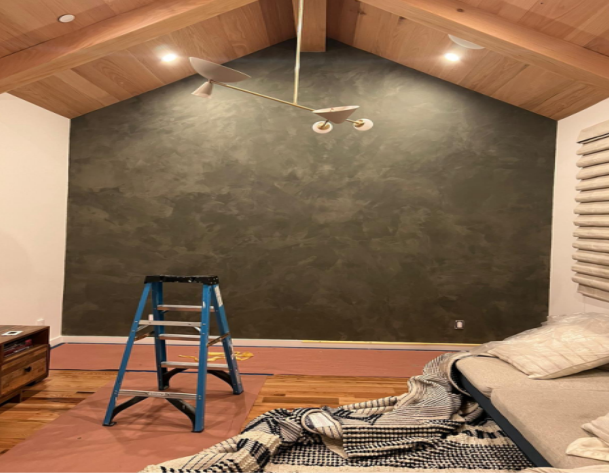
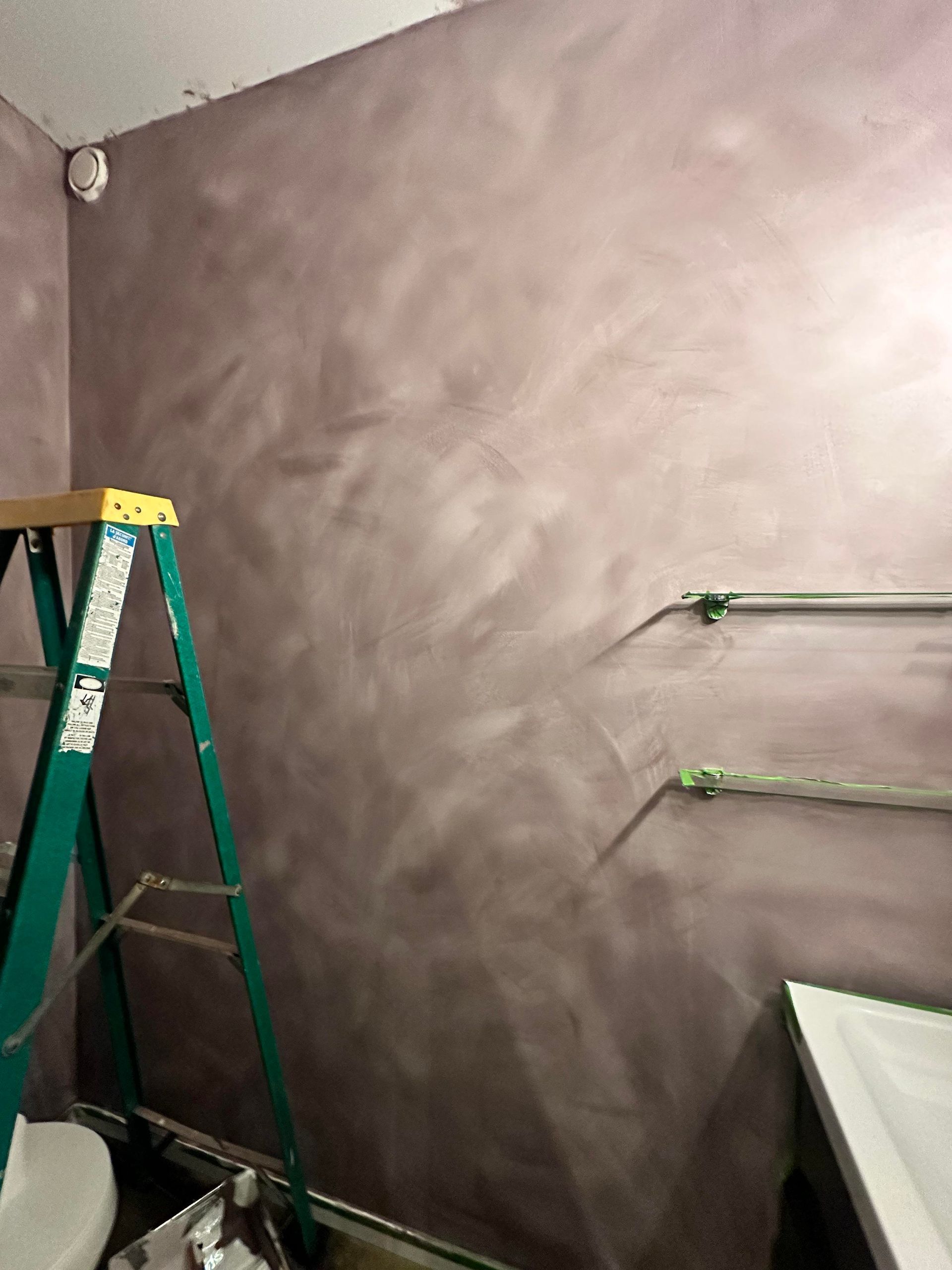
Substrate Evaluation and Surface Preparation
You start with a detailed inspection of the drywall or plaster to check for joint ridges, fastener pops, surface ripples, and finish level. Mineral finishes will not hide flaws—they will make them more visible. If the drywall is not finished to Level 5 standards, additional skim coating and sanding are required before any primer or finish is applied. Existing paint, sealers, or texture must be removed or neutralized so the lime can bond through suction rather than sitting on top of a non-porous layer.
Once the substrate is confirmed smooth and clean, a mineral primer is applied to equalize suction and prevent blotchiness in the topcoats. Prestige Designer Surfaces uses breathable primers that do not form vapor barriers, so the lime can carbonate properly and remain vapor-permeable. The primer is tinted to match or complement the finish color, which reduces the number of topcoats needed and improves color consistency.
Site protection follows substrate prep. Floors, trim, and fixtures are masked and covered with drop cloths or plastic sheeting. Mineral finishes generate fine dust during sanding and can splash during troweling, so containment and ventilation are set up to control airborne particles and prevent contamination of adjacent spaces. HVAC filters are often upgraded or systems are temporarily shut down to avoid pulling dust through ductwork.
What You Will Notice During and After Application
The work itself is methodical and slow compared to paint application. Each coat must be troweled evenly, compressed, and allowed to cure before the next layer is applied.
What is wet-edge control and why does it matter?
Wet-edge control means keeping the edge of the applied material moist while troweling so new material blends seamlessly into what has already been laid down. If the edge dries before the next section is applied, you will see lap marks and color shifts. Installers work in manageable sections and move quickly to maintain a live edge across the entire wall.
How long does each coat take to cure?
Curing time depends on material thickness, temperature, humidity, and airflow. In climate-controlled Dallas interiors, most coats will dry to the touch within two to four hours, but full carbonation and hardness can take several days. Rushing the process by adding coats too soon will trap moisture and cause delamination or soft spots.
What tools are used to apply and finish lime-based materials?
Steel trowels in multiple sizes are used for application, compression, and burnishing. Masonry brushes are used for limewash. Sanding blocks and fine-grit paper smooth each layer before the next is applied. All tools are cleaned between coats to prevent dried material from scratching fresh lime.
Why does dust containment matter during sanding?
Sanding between coats generates fine lime and marble dust that will settle on furniture, floors, and HVAC components if not controlled. Prestige Designer Surfaces uses dust shrouds, shop vacuums, and contained work zones to minimize airborne particles and keep the rest of your home clean during the project.
What happens after the final coat is applied?
The surface is inspected for uniformity, sheen consistency, and any tooling marks or flaws. Touch-ups are completed while the material is still workable. The finish is then left to cure fully before furniture is moved back or cleaning is attempted. You will receive care instructions specific to the finish type and sealer used.
Prestige Designer Surfaces walks you through each phase of the process and provides realistic timelines based on your project scope and site conditions. If you are working on a home or commercial project in Dallas–Fort Worth that requires mineral wall finishes, reach out to discuss substrate readiness and scheduling.