
Troweled Mineral Surfaces Without Sheen
Roman Clay in Dallas for interiors that demand ultra-matte texture and seamless mineral depth without polished reflection
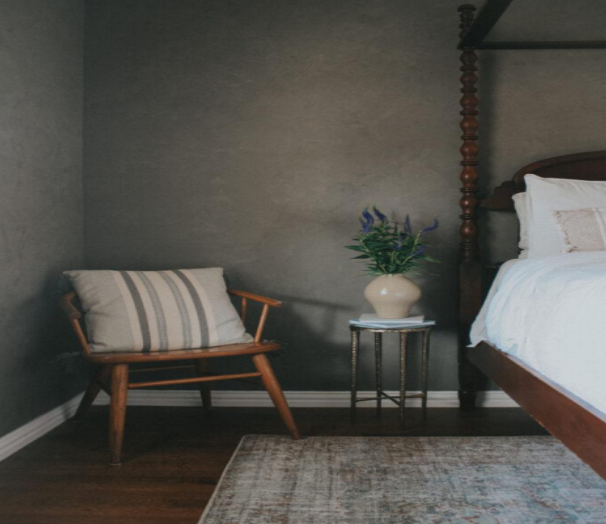
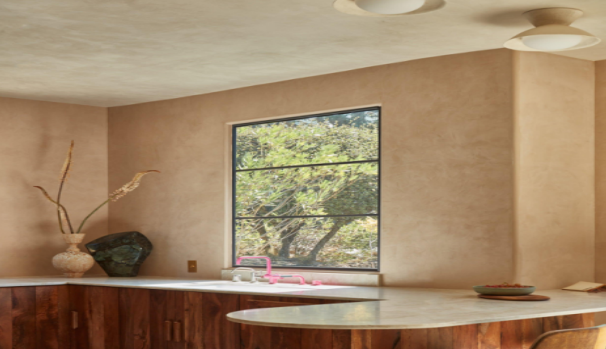
Prestige Designer Surfaces installs Roman Clay finishes across Dallas–Fort Worth for clients who want a troweled lime-based surface with no gloss and uniform texture. This finish is used in modern and minimalist interiors where walls must read as flat planes without light play or sheen variation. Roman Clay is a lime putty mixed with marble aggregates and natural pigments, applied in multiple thin layers with steel trowels to create a monolithic surface that absorbs light rather than reflecting it.
The application demands Level 5 drywall because any substrate flaw will show through the thin mineral layers. In Dallas projects, Roman Clay is often specified for feature walls, living rooms, and commercial interiors where the goal is material honesty and tactile depth. You will not see brush marks or roller texture—just continuous matte surface with barely perceptible trowel movements embedded in the finish.
If your project in the Dallas area calls for a troweled mineral finish with no shine, schedule a consultation to review substrate condition and color options.
How Roman Clay Is Built Up and Finished
You start with drywall that has been floated smooth to eliminate all joint lines, fastener dimples, and surface ripples. Roman Clay will not hide imperfections—it will highlight them. A mineral primer is applied first to ensure even suction across the wall and prevent blotchiness in the topcoats. The clay is then troweled on in two to three layers, each one compressed and smoothed with overlapping strokes that blend wet edges before the material sets.
When the final layer cures, your walls will have a soft, uniform matte finish with slight color variation from trowel pressure and material thickness. Prestige Designer Surfaces controls the trowel angle and speed to avoid burnishing, which would create sheen and defeat the purpose of Roman Clay. The result is a surface that looks and feels like dense, compressed earth rather than painted drywall.
The finish is durable once cured but not impervious—it will mark if scratched and will show water spotting if not sealed in wet areas. For kitchens, baths, and high-traffic zones, a breathable sealer is applied to add stain resistance without changing the matte appearance. The sealer must be reapplied periodically depending on use and cleaning frequency.
What You Should Understand Beforehand
Roman Clay is chosen for its appearance and texture, not for its washability or resistance to damage. It requires maintenance and careful use.
What is the difference between Roman Clay and Venetian plaster?
Roman Clay is left matte and untextured, with no burnishing or polishing. Venetian plaster is compressed and buffed to develop sheen and depth. Both are lime-based, but the final surface and technique differ completely.
How does Dallas climate affect Roman Clay during curing?
Dry air and air conditioning can pull moisture out of the clay too quickly, causing the material to cure before it is fully compressed. Installers in Dallas often mist the surface lightly between coats and control airflow during application to prevent premature drying and surface cracking.
Why is Level 5 drywall non-negotiable for this finish?
Roman Clay is applied in thin layers that follow the substrate contour exactly. If the drywall has ridges, valleys, or joint shadows, those flaws will appear as dark lines or texture breaks in the finished wall. Level 5 ensures the substrate is optically flat before any mineral coating is applied.
When should you avoid Roman Clay?
Do not use it in areas with standing water, direct shower spray, or heavy abrasion unless you are prepared to maintain a protective sealer and accept that the surface will age visibly over time.
What does the surface feel like after install?
The wall will have a smooth, cool, slightly powdery feel with no slickness. Running your hand across it will leave faint oils that may darken the lime temporarily, which is normal for unsealed mineral finishes
Prestige Designer Surfaces can walk you through sample boards and substrate inspection before committing to Roman Clay. If you are working on a project in Dallas–Fort Worth that requires a troweled matte finish, get in touch to review the preparation and installation process.